
Access Georgia Probate Court Records
Georgia Probate Court Records are public documents kept by each of the 159 county Probate Courts across the state. These records include wills, estate filings, guardianship cases, marriage licenses, and weapons carry permits. You can search Georgia Probate Court Records online through several state portals. You may also visit any county Probate Court in person to view or request copies of records. This guide explains how to find and search Probate Court Records in Georgia.
Georgia Probate Court Records Quick Facts
What Are Probate Court Records
Probate Court Records are legal documents filed with Georgia Probate Courts. These courts handle matters related to wills, estates, and guardianships. Each of the 159 counties in Georgia has its own Probate Court. The records created by these courts become part of the public record in Georgia.
Wills are a key type of Probate Court Record in Georgia. A will is a legal document. It states how a person wants their property distributed after death. When someone dies, their will is filed with the Probate Court in the county where they lived. The court then oversees the process of distributing the estate. This process creates many records. These include petitions, inventories, and final accountings. All of these become part of the public record in Georgia.
Estate administration records are also kept by Georgia Probate Courts. When someone dies without a will, the court appoints an administrator. This person manages the estate. The court supervises this process. Records are created at each step. These include letters of administration, bond documents, and estate inventories. These records show what assets the deceased owned and how they were distributed. You can search these estate records in Georgia.
Guardianship records form another major category of Probate Court Records in Georgia. A guardian is appointed to care for a minor child or an adult who cannot care for themselves. The Probate Court oversees these appointments. Records include petitions for guardianship, court orders, and annual reports. These documents show who was appointed and what their duties include. Many of these records are open to the public in Georgia.
Where to Find Georgia Probate Court Records
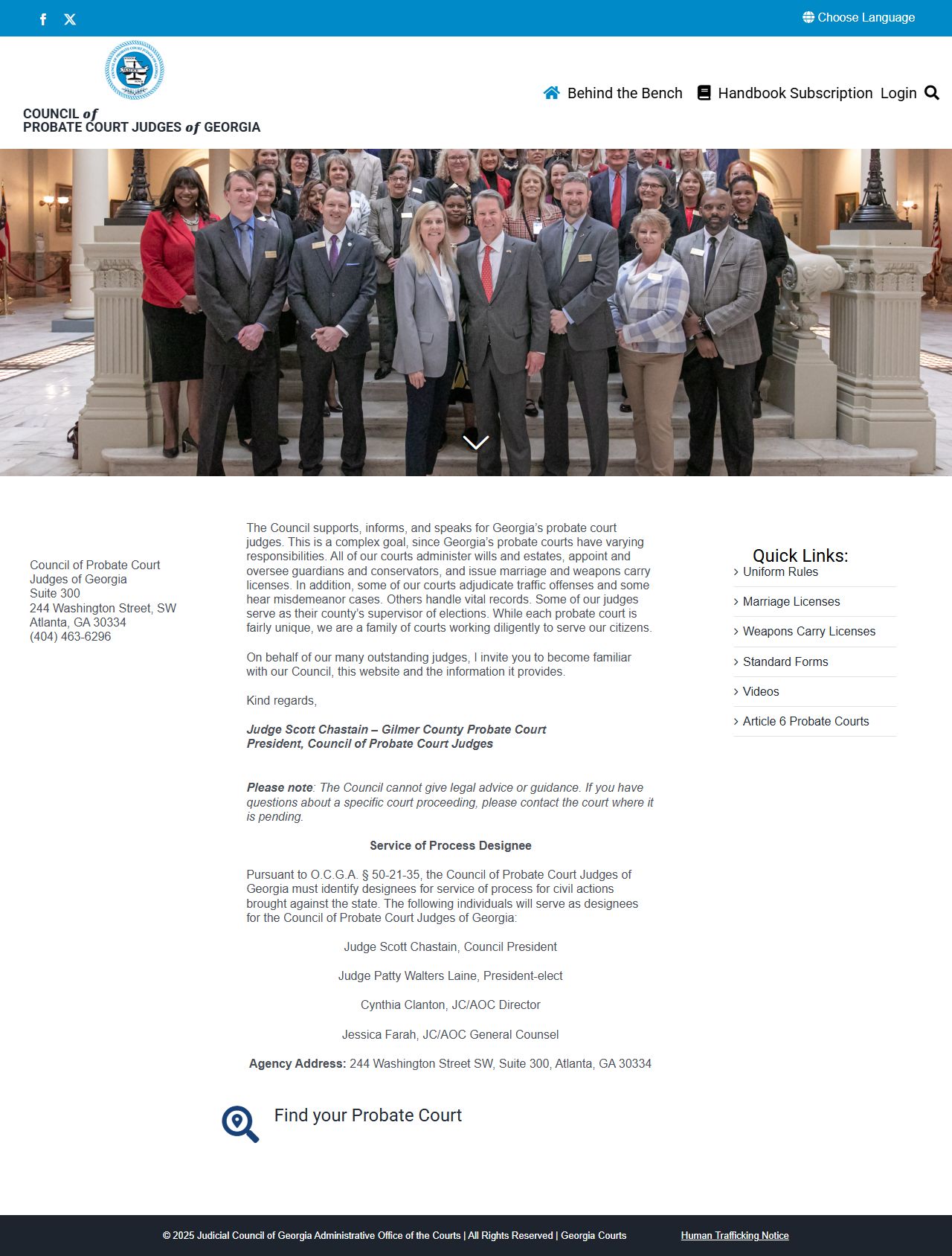
There are several ways to find Georgia Probate Court Records. The Council of Probate Court Judges of Georgia provides statewide resources. This organization sets standards for all 159 Probate Courts in the state. They offer standard forms and training materials. Their website is a good starting point for probate research in Georgia.
County Probate Courts hold the actual records. Each court keeps files for its own county. You can visit the courthouse in person to view records. Most courts also accept mail requests for copies. Some counties now offer online access to certain records. You must contact the specific county where the case was filed in Georgia.
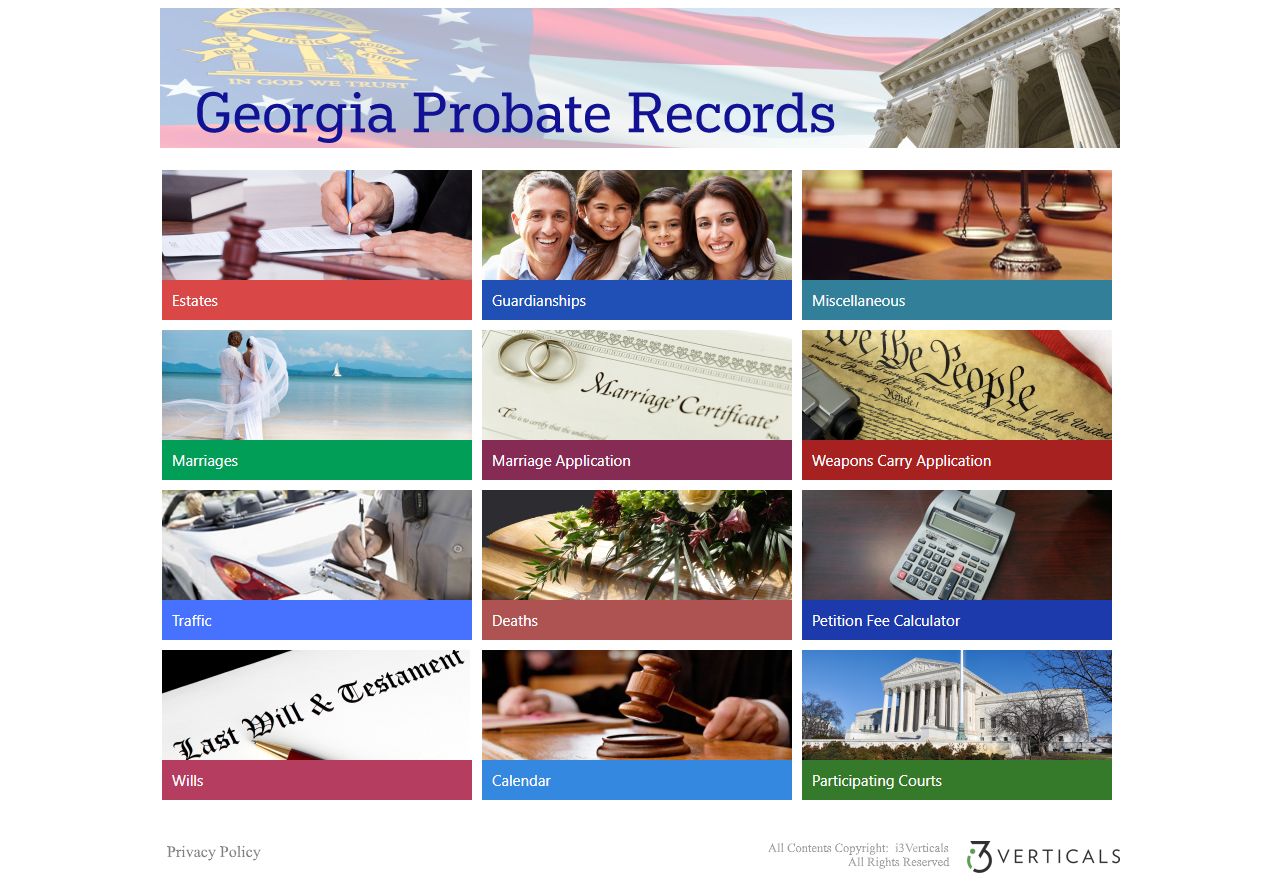
The Georgia Probate Records website provides online search tools. This portal lets you search marriage licenses, will information, and guardianship petitions. Not all counties participate in this system. However, many major counties do provide records through this site. You can search from home at any time using this Georgia resource.
Another helpful resource is GeorgiaProbateCourt.com. This directory lists contact information for all county Probate Courts. You can find addresses, phone numbers, and hours of operation. The site also lists the legal organ newspaper for each county. This helps you locate the right court for your search in Georgia.
Note: Some guardianship records involving minors may be confidential and not available for public viewing in Georgia.
Types of Probate Court Records
Georgia Probate Courts handle many types of cases. Each case type creates its own set of records. Understanding these types helps you know what to search for in Georgia.
Wills and estate records are the most common Probate Court Records in Georgia. These include petitions to probate a will, letters testamentary, and estate inventories. There are two ways to probate a will in Georgia. Solemn form probate binds immediately but requires notice to all heirs. Common form probate does not require notice but is not binding for four years. Both types create public records.
Estate administration records apply when someone dies without a will. These cases use similar forms and procedures. The court appoints an administrator instead of an executor. Records include petitions for administration, letters of administration, and creditor notices. These documents show how the estate was settled under Georgia law.
Guardianship and conservatorship records involve the care of minors and incapacitated adults. A guardian makes personal decisions for a ward. A conservator manages financial affairs. These cases create petitions, court orders, and annual returns. The records show who was appointed and how they managed their duties. Most adult guardianship records are public in Georgia. Minor guardianship records may have access limits.
Marriage licenses are issued by Georgia Probate Courts. These records show who got married and when. They include the names of both parties, their ages, and the date of the license. Marriage records in Georgia go back many decades. You can search these records at the county Probate Court where the license was issued.
Weapons carry licenses are also handled by Probate Courts in Georgia. Records include applications, background check results, and issued licenses. These records have specific privacy protections under Georgia law. Access may be limited to the license holder and certain authorized parties.

How to Search Probate Records Online
Searching Georgia Probate Court Records online is fast and convenient. You can search from any device with internet access. Several websites offer probate record searches in Georgia.
The Georgia Probate Records portal is the main online search tool. This site lets you search multiple record types. You can look up marriage licenses, will information, and guardianship petitions. You can also search traffic dockets and estate records from participating courts. Not all 159 counties use this system. However, many major metropolitan counties do participate.
Individual county websites may offer their own search tools. Cobb County provides online case status and records search. Clayton County offers free online estate record viewing. DeKalb County accepts e-filing and provides online access to many records. Check the specific county website for online search options in Georgia.
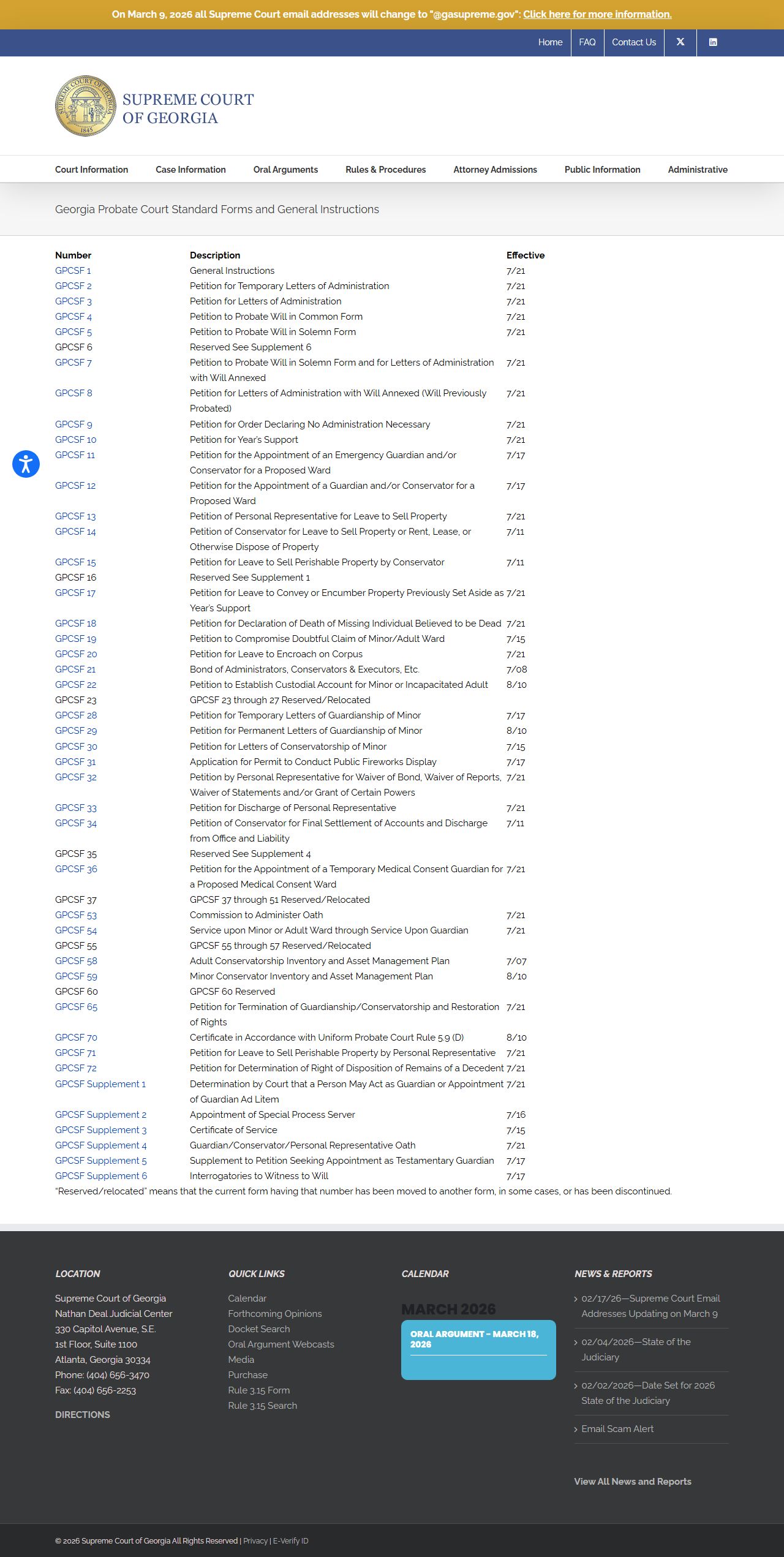
The Supreme Court of Georgia provides standard probate forms. While this is not a records search site, it helps you understand the forms used in probate cases. Knowing the form numbers can help you request the right documents. The forms are numbered GPCSF 1 through GPCSF 72 and beyond. Each form serves a specific purpose in Georgia probate proceedings.
To search effectively, gather key information first. You should know the name of the person involved. The approximate date of the case helps narrow results. Knowing the county where the case was filed is essential. With this information, you can search faster and find the right records in Georgia.
Georgia Probate Court Jurisdiction and Functions
Georgia Probate Courts have specific powers under state law. These courts are established by the Georgia Constitution. Each county elects a Probate Judge. The judge serves four-year terms. Understanding what these courts do helps you know what records they keep.
Probate Courts have exclusive jurisdiction over wills and estates. Only these courts can probate wills. Only these courts can appoint administrators and executors. They oversee the entire estate administration process. This includes reviewing inventories, approving sales of property, and closing estates. All of this work creates public records in Georgia.
Guardianships and conservatorships fall under Probate Court jurisdiction in Georgia. These courts appoint guardians for minors and incapacitated adults. They appoint conservators to manage finances for those who cannot do so themselves. The courts review annual reports from guardians and conservators. They hold hearings when disputes arise. Records from these cases are filed with the court.
Marriage licenses and weapons carry licenses are issued by Probate Courts in Georgia. Couples apply for marriage licenses at these courts. Background checks and applications for weapons carry licenses are processed here. While these are not traditional court cases, they create records that are maintained by the court.
Mental health commitments are another important function. Georgia Probate Courts handle involuntary commitments for mental illness and substance abuse. These cases involve emergency hearings and treatment orders. Access to these records may be restricted due to privacy laws in Georgia.
Note: Probate Court judges cannot provide legal advice or help fill out forms, as they must remain impartial under Georgia law.
Court Costs and Fees
There are costs associated with filing and obtaining Georgia Probate Court Records. These fees are set by Georgia law. Senate Bill 232 updated all statutory fees effective January 1, 2025. You should check current fee schedules before filing or requesting records.
Filing fees vary by type of case in Georgia. Petitions for probate or administration require a filing fee. Most courts require a minimum deposit at the time of filing. Additional costs may apply as the case proceeds. Full payment is required before a case can be finalized. Each county may have slightly different fee amounts.
Copy fees are charged for obtaining records. Most courts charge per page for photocopies. Certified copies cost more than plain copies. A certified copy has an official seal and can be used for legal purposes. Payment methods vary by court. Many accept cash, checks, and money orders. Some also accept credit cards.
Marriage license fees in Georgia vary by county. Most counties charge around $50 to $80 for a marriage license. Some counties offer a discount if you complete premarital counseling. Weapons carry license fees include state and federal background check costs. New licenses typically cost more than renewals.
Fee waivers may be available in some cases. If you cannot afford filing fees, you may request a waiver. You must show proof of low income. The judge will decide whether to grant the waiver. This option exists to ensure access to the courts for all Georgia residents.
Legal Help Resources
Probate matters can be complex. Many people need legal help. Several organizations offer free or low-cost legal assistance in Georgia. These resources can help you understand probate procedures and complete necessary forms.
Georgia Legal Aid provides free legal information online. Their website explains probate procedures in plain language. They offer self-help forms and guides. You can find information about wills, estates, and guardianships. The site helps you locate legal aid offices in your county. Services are available for low-income residents of Georgia.
The Atlanta Legal Aid Society serves the Atlanta metro area. They provide free civil legal services to qualified individuals. Their office is at 54 Ellis Street, NE, Atlanta, GA 30303. You can reach them by phone at (404) 524-5811. They handle cases involving probate, guardianship, and estate matters. They focus on helping vulnerable populations in Georgia.
The Council of Probate Court Judges offers educational videos. These videos explain common probate procedures. They cover topics like how to probate a will and how to file for guardianship. Videos are available in English and Spanish. This resource helps you understand the process before you file in Georgia.
While court staff can answer basic questions, they cannot give legal advice. Probate Court judges must remain impartial. They cannot help you complete forms or tell you what to do. If you need legal advice, you should consult an attorney. Many Georgia attorneys offer initial consultations to discuss your case.
Browse Georgia Probate Court Records by County
Each of the 159 counties in Georgia has its own Probate Court. Select a county below to find local contact information and resources for Probate Court Records in that area.
Probate Court Records in Major Georgia Cities
Georgia cities fall under county Probate Court jurisdiction. Residents of these cities file probate matters with their county court. Choose a city below to learn about Probate Court Records in that area.